Ce face o companie să se evidențieze pe piață printre sute de mii de competitori? Ce o face distinctă, recunoscută și iubită de consumatori? Sunt culorile atrăgătoare, un logo interesant, un slogan memorabil sau un descriptor?
Răspunsul corect este toate de mai sus. Într-o eră a abundenței și consumerismului, producerea unui produs de calitate nu mai este suficientă. Oamenii ar trebui să aleagă în mod specific brandul dvs. în rândul celor care oferă produse similare, iar aici identitatea de brand poate ajuta.
Identitatea de brand este adesea confundată cu identitatea corporativă. În acest articol, vom explica diferența și vă vom ghida în privința dezvoltării identității de marcă.
Răspunsul corect este toate de mai sus. Într-o eră a abundenței și consumerismului, producerea unui produs de calitate nu mai este suficientă. Oamenii ar trebui să aleagă în mod specific brandul dvs. în rândul celor care oferă produse similare, iar aici identitatea de brand poate ajuta.
Identitatea de brand este adesea confundată cu identitatea corporativă. În acest articol, vom explica diferența și vă vom ghida în privința dezvoltării identității de marcă.

Brand Identity vs Corporate Identity
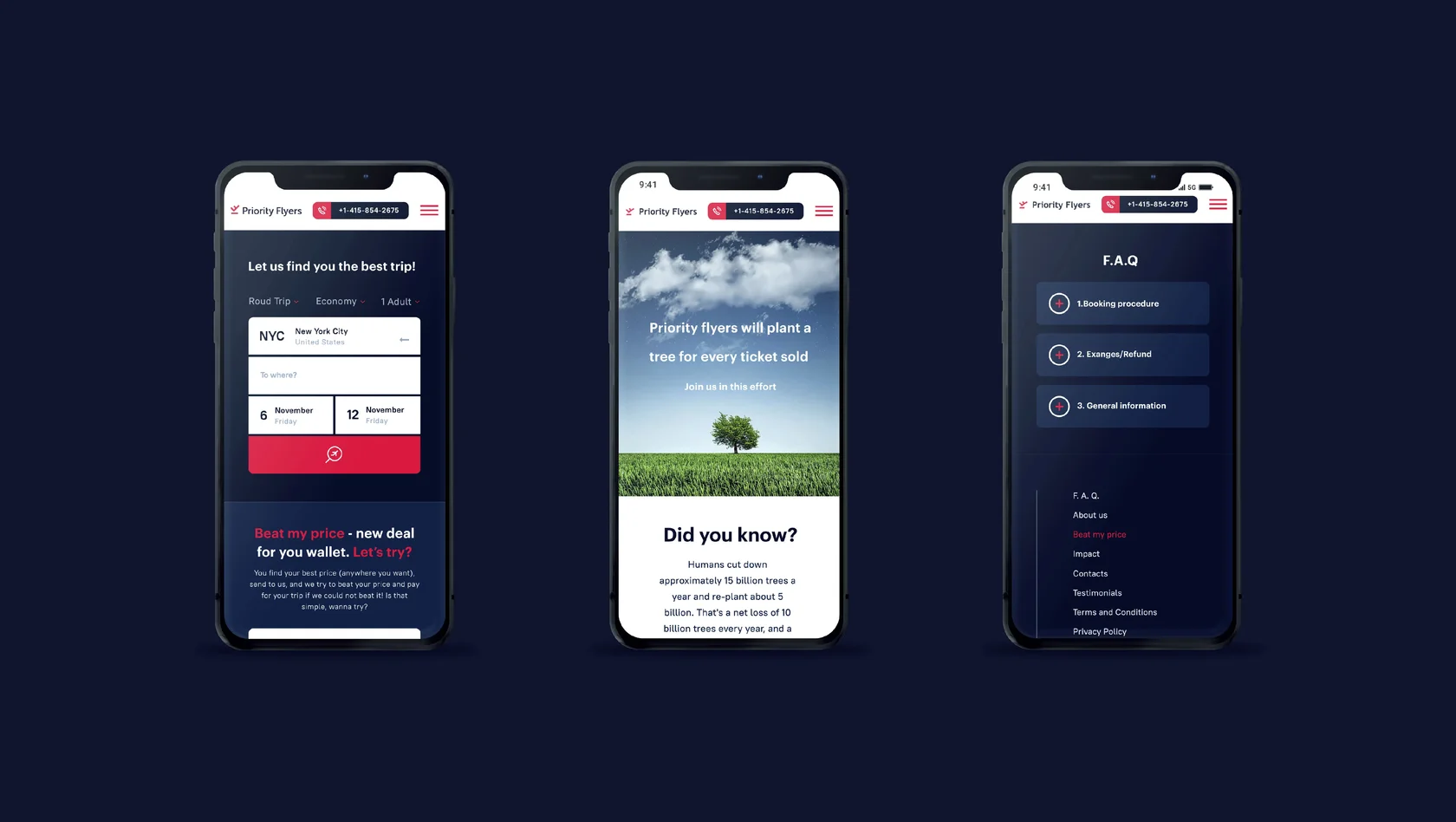
First of all, it is important to emphasize that corporate identity is an integral part of brand identity. It relates specifically to the visual aspect and includes a system of visual, graphic and textual elements — such as the logo, fonts, color palette, graphic elements and the general style of text content. Through a unified corporate identity, certain associations are formed in the consumer's mind, contributing to brand recognition.
As for brand identity, it encompasses a broader set of tools that a brand can use to influence and interact with its audience:
The goal of brand identity is to create a recognizable and consistent image that helps stand out in the market, forms positive associations with the brand and ensures uniformity in the visual representation of the company.
As for brand identity, it encompasses a broader set of tools that a brand can use to influence and interact with its audience:
- Brand name
- Slogan
- Descriptor
- Brand philosophy
- Values and principles
- Sensory marketing
The goal of brand identity is to create a recognizable and consistent image that helps stand out in the market, forms positive associations with the brand and ensures uniformity in the visual representation of the company.
Key Stages of Brand Identity Development
Overall, development includes 4 stages:
Name Development
The first step in creating and shaping a brand's image is developing a unique and memorable name. This name lays the foundation for brand development and, as a rule, includes the creation of a slogan and descriptor. A descriptor is a brief and informative phrase serving as an explanation of the company's activities. A slogan, in turn, is a concise phrase designed to convey the brand's core values and inspire action.
Logo Development
The logo is a key element of brand identity, representing a visual sign, graphic image or symbol, usually accompanied by text. An effective logo must be simple, memorable and scalable, ensuring successful application across various media — from business cards to billboards. A harmonious combination of colors, shapes and fonts plays a key role in creating a recognizable and positive visual impression.
Corporate Identity Development
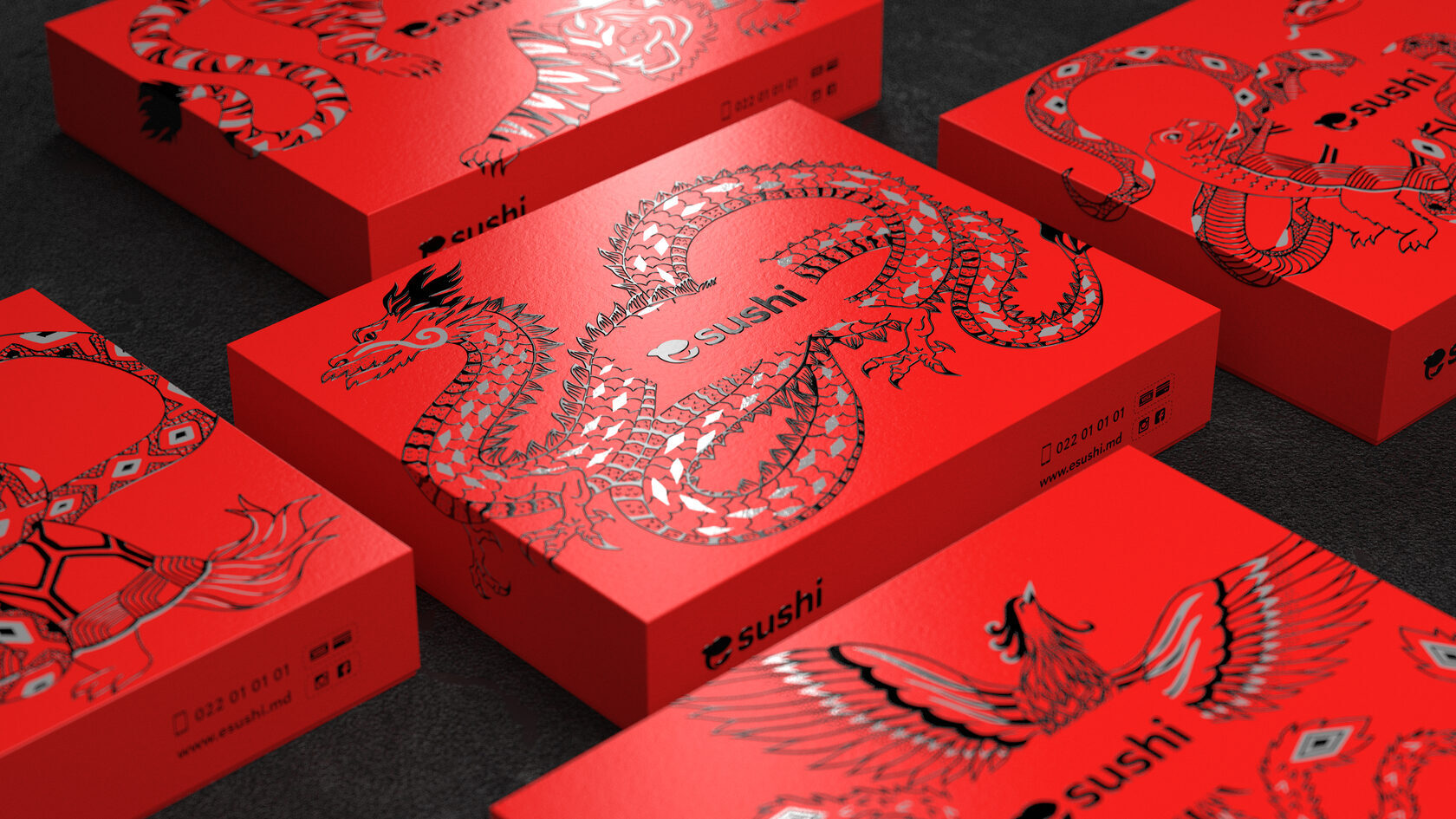
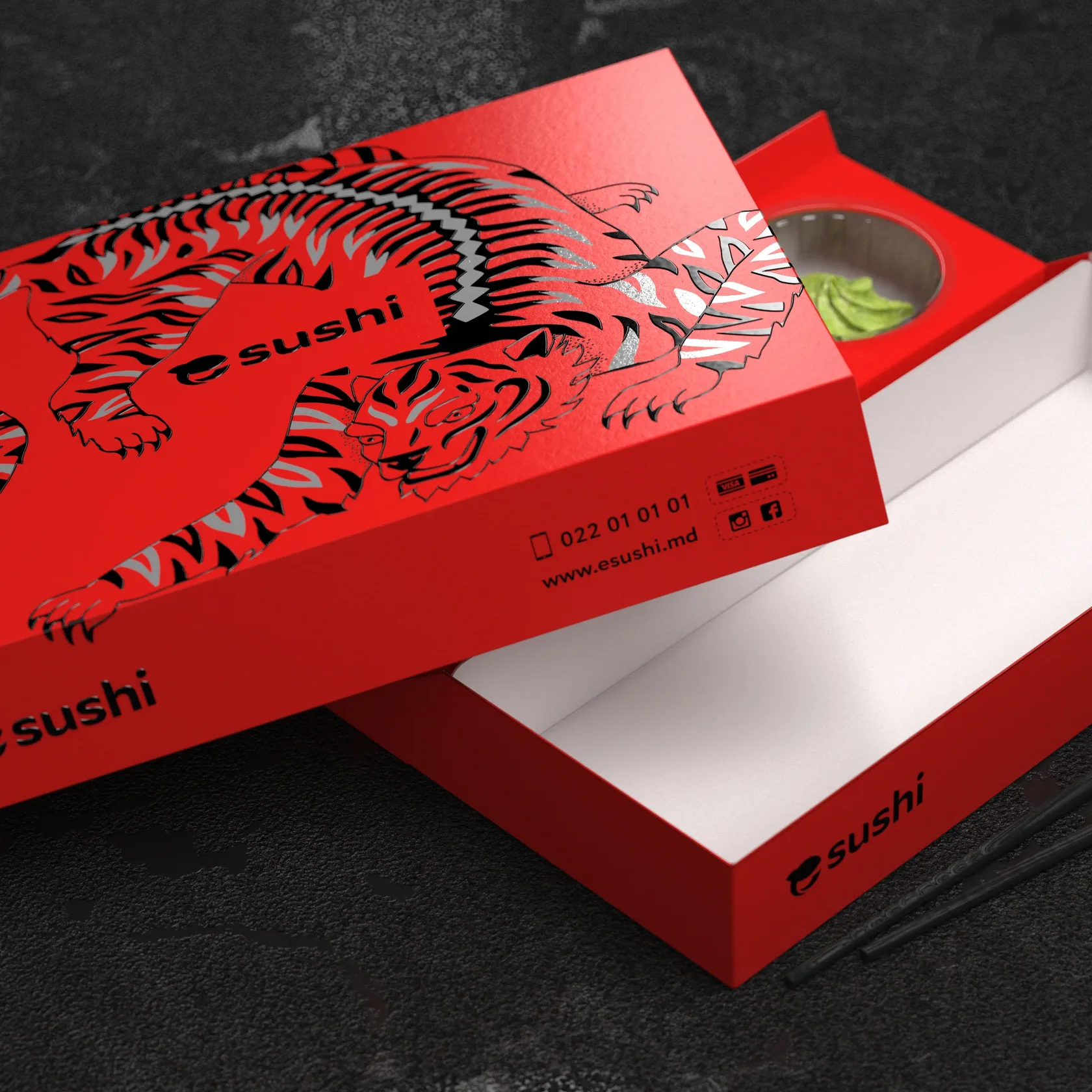
After developing the logo, the next step is creating a complete corporate identity for the company. This includes defining color combinations, brand fonts, icons, graphic elements, illustrations and layout rules. A list of corporate identity carriers is also formed, covering elements such as business cards, social media posts, promotional materials, contextual advertising, banners, etc.
Brandbook Design
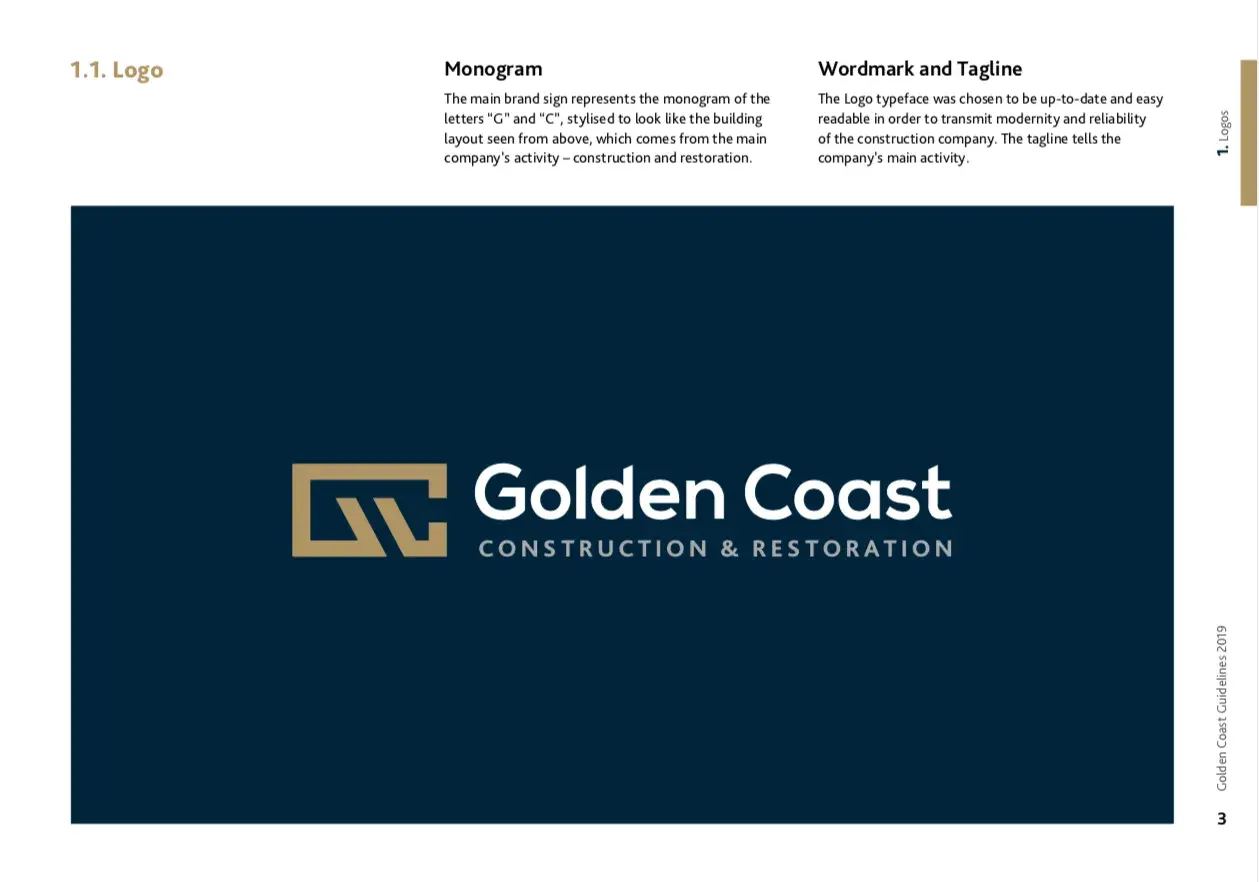
The final stage of brand identity development is the brandbook design. A brandbook is a document containing all the necessary recommendations and rules for using corporate identity elements. It serves as a guide for applying the logo, color palette, fonts and graphic elements.
Brand identity plays a crucial role in how your audience perceives your brand, whether they remember it and whether they choose it among hundreds of similar products. If your brand's "face" and "voice" seem uninteresting, even the highest quality product will not bring it to the top.
Brand identity plays a crucial role in how your audience perceives your brand, whether they remember it and whether they choose it among hundreds of similar products. If your brand's "face" and "voice" seem uninteresting, even the highest quality product will not bring it to the top.