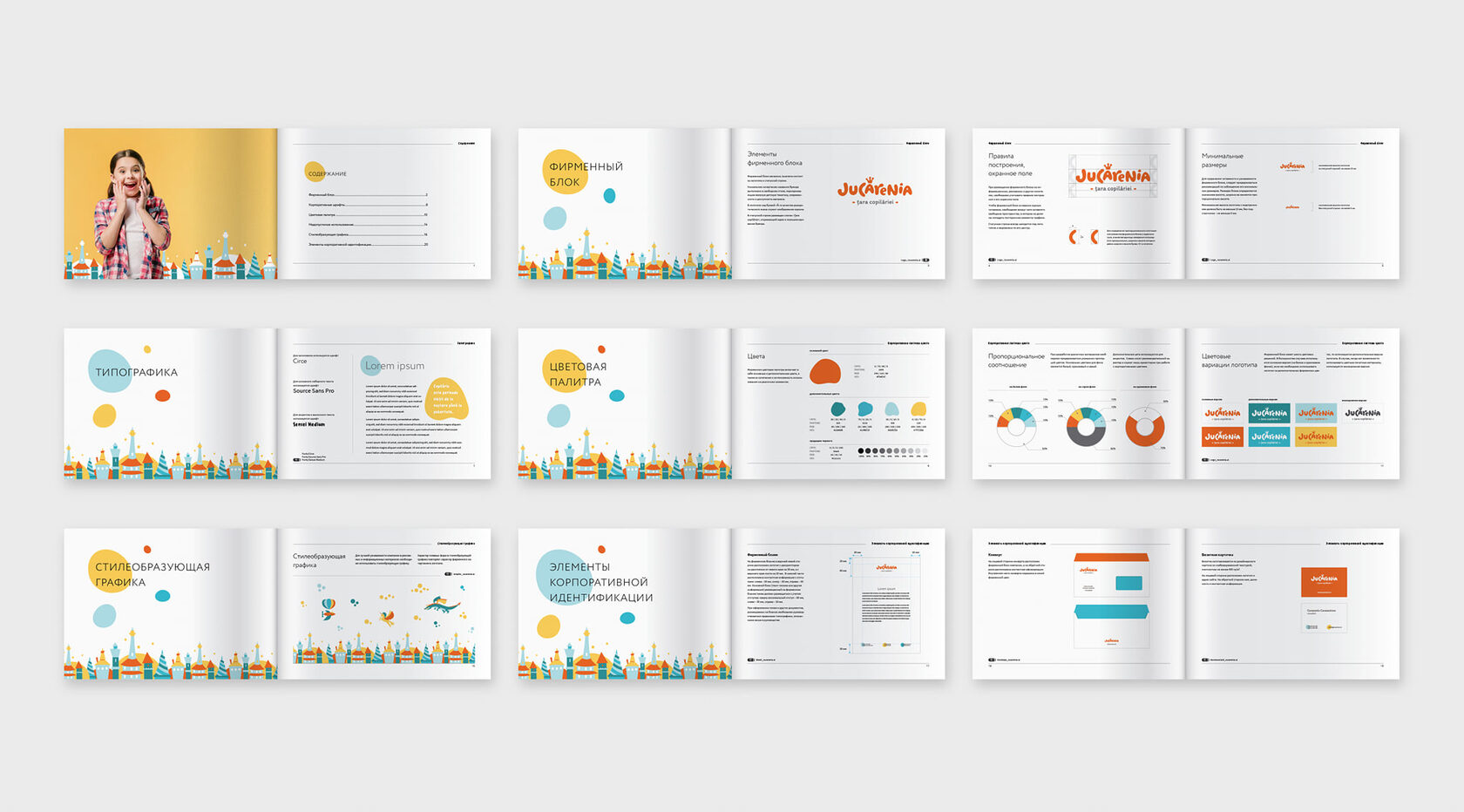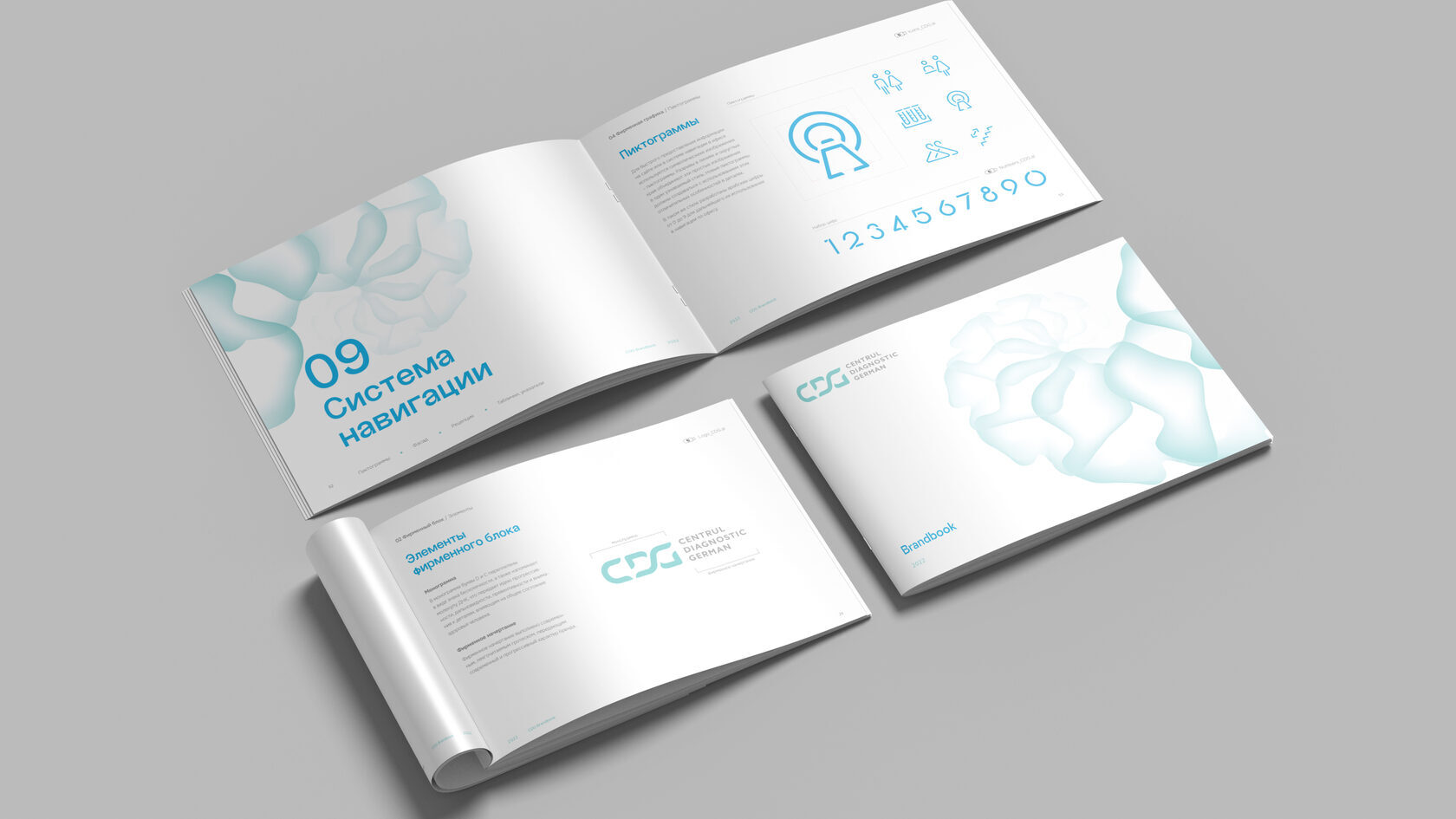
Is it a clear set of rules or a source of inspiration? A brandbook transparently combines both aspects, acting as a company's identity passport. It embodies how a brand looks, what sets it apart from competitors and how it communicates with its audience. This article explores the significance of this document and what it represents. At the core of a brandbook lies brand identity, expressed through logos, colors and fonts — the language through which a brand communicates with the world.
Why do you need a brandbook?
The absence of a unified set of rules often leads to numerous challenges: designers and marketers working on a brand tend to implement their own visions and ideas. While diversity is generally a positive aspect, it can be harmful when it affects the overall perception of the brand. A brandbook helps avoid discrepancies between project participants, providing a clear vector for brand development and organizing all information about it. This document answers crucial questions:
– What is the essence of the brand? – How should it communicate with its audience? – What fonts are acceptable in design? – What are the layout rules for different media?
A brandbook is particularly useful for new employees and external specialists, helping them quickly integrate into the work and maintain the company's image.
– What is the essence of the brand? – How should it communicate with its audience? – What fonts are acceptable in design? – What are the layout rules for different media?
A brandbook is particularly useful for new employees and external specialists, helping them quickly integrate into the work and maintain the company's image.
What does a brandbook contain?
A brandbook includes 3 main sections: the brand platform, the brand identification system and the guidelines.
The brand platform contains information about the company, its mission, vision and values. This part is ideological in nature, covering marketing and familiarizing employees and clients with the brand's philosophy.
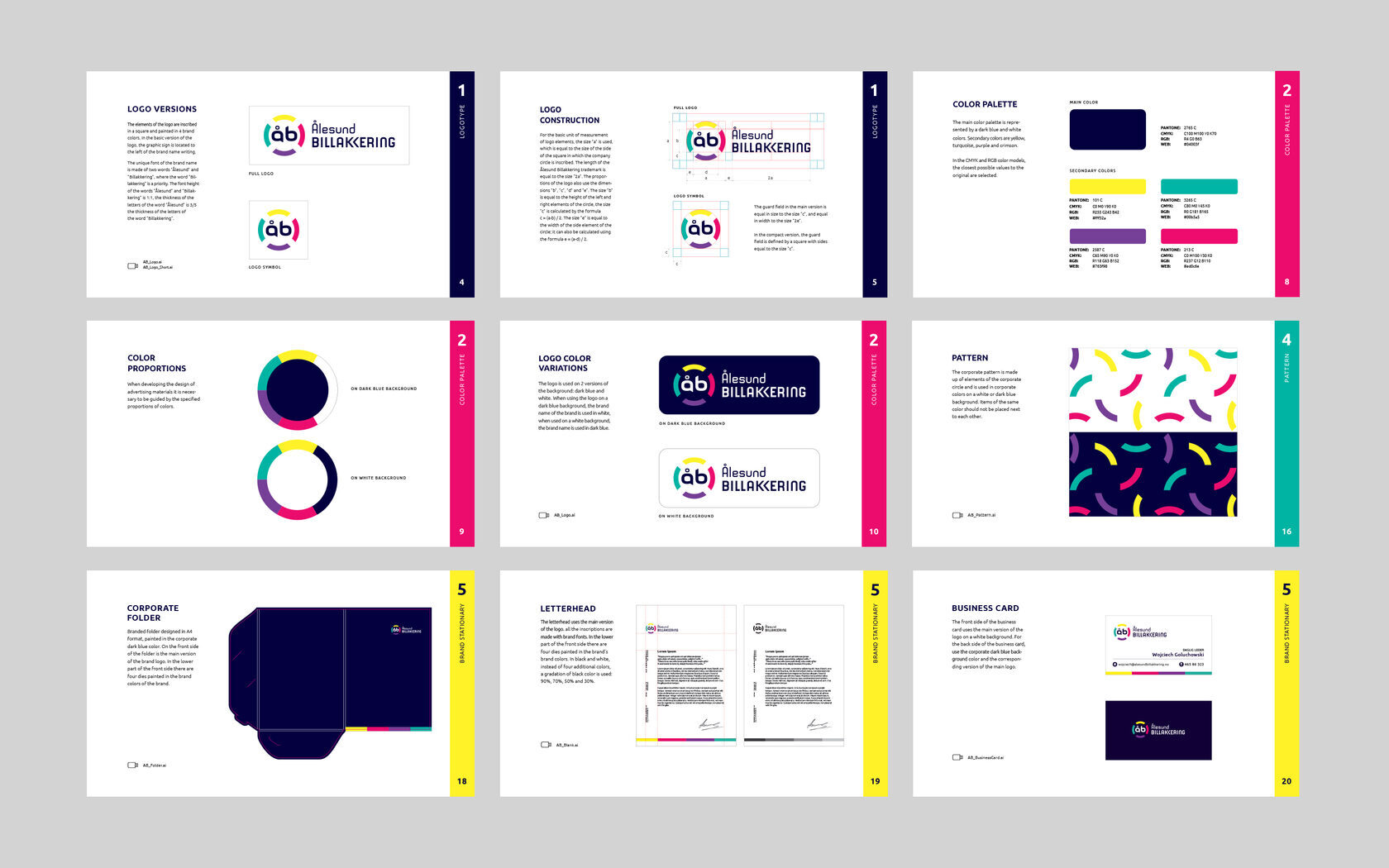
The brand identification system section consists of two parts: verbal (naming, usage rules, slogan and tone of voice) and non-verbal (visual attributes such as logos, colors, fonts and graphic elements of the brand).
The brandbook also covers many design-related questions:
A brandbook is an indispensable tool for those who aim to create a strong and memorable brand. It serves as a guide that ensures not only visual aesthetics, but also clarity of communication. In a world where first impressions play a significant role, a brandbook becomes a magic key, opening the door to a successful brand.Un brandbook cuprinde 3 secțiuni principale: platforma de brand, sistemul de identificare a brandului și liniile directoare.
Platforma de brand include informații despre companie, misiunea, viziunea și valorile acesteia. Această parte este ideologică, atingând marketingul și familiarizarea angajaților și a clienților cu filosofia brandului.
Secțiunea privind sistemul de identificare a brandului are două părți: verbală (naming, regulile de utilizare, sloganul și tone of voice) și non-verbală (atributele vizuale, cum ar fi logo-urile, culorile, fonturile și elementele grafice ale brandului).
Brandbook abordează, de asemenea, multe întrebări legate de design:
- Care este dimensiunea minimă admisă pentru logo?
- Poate fi folosit împreună cu un slogan?
- Ce culori sunt permise și care ar fi mai bine să fie evitate?
- Ce fonturi ar trebui folosite în design?
- Toate regulile și recomandările sunt documentate în ghid, care formează al treilea bloc al brandbook-ului.
Un brandbook este instrumentul esențial pentru cei care își propun să creeze un brand puternic și memorabil. Aceasta servește drept ghid care asigură nu numai estetica vizuală, ci și claritatea comunicării. Într-o lume în care prima impresie joacă un rol semnificativ, un brandbook devine o cheie magică, deschizând ușa către un brand de succes.
The brand platform contains information about the company, its mission, vision and values. This part is ideological in nature, covering marketing and familiarizing employees and clients with the brand's philosophy.
The brand identification system section consists of two parts: verbal (naming, usage rules, slogan and tone of voice) and non-verbal (visual attributes such as logos, colors, fonts and graphic elements of the brand).
The brandbook also covers many design-related questions:
- What is the minimum permitted size for the logo?
- Can it be used together with a slogan?
- What colors are permitted and which should be avoided?
- What fonts should be used in design?
- All rules and recommendations are documented in the guidelines, which form the third block of the brandbook.
A brandbook is an indispensable tool for those who aim to create a strong and memorable brand. It serves as a guide that ensures not only visual aesthetics, but also clarity of communication. In a world where first impressions play a significant role, a brandbook becomes a magic key, opening the door to a successful brand.Un brandbook cuprinde 3 secțiuni principale: platforma de brand, sistemul de identificare a brandului și liniile directoare.
Platforma de brand include informații despre companie, misiunea, viziunea și valorile acesteia. Această parte este ideologică, atingând marketingul și familiarizarea angajaților și a clienților cu filosofia brandului.
Secțiunea privind sistemul de identificare a brandului are două părți: verbală (naming, regulile de utilizare, sloganul și tone of voice) și non-verbală (atributele vizuale, cum ar fi logo-urile, culorile, fonturile și elementele grafice ale brandului).
Brandbook abordează, de asemenea, multe întrebări legate de design:
- Care este dimensiunea minimă admisă pentru logo?
- Poate fi folosit împreună cu un slogan?
- Ce culori sunt permise și care ar fi mai bine să fie evitate?
- Ce fonturi ar trebui folosite în design?
- Toate regulile și recomandările sunt documentate în ghid, care formează al treilea bloc al brandbook-ului.
Un brandbook este instrumentul esențial pentru cei care își propun să creeze un brand puternic și memorabil. Aceasta servește drept ghid care asigură nu numai estetica vizuală, ci și claritatea comunicării. Într-o lume în care prima impresie joacă un rol semnificativ, un brandbook devine o cheie magică, deschizând ușa către un brand de succes.